
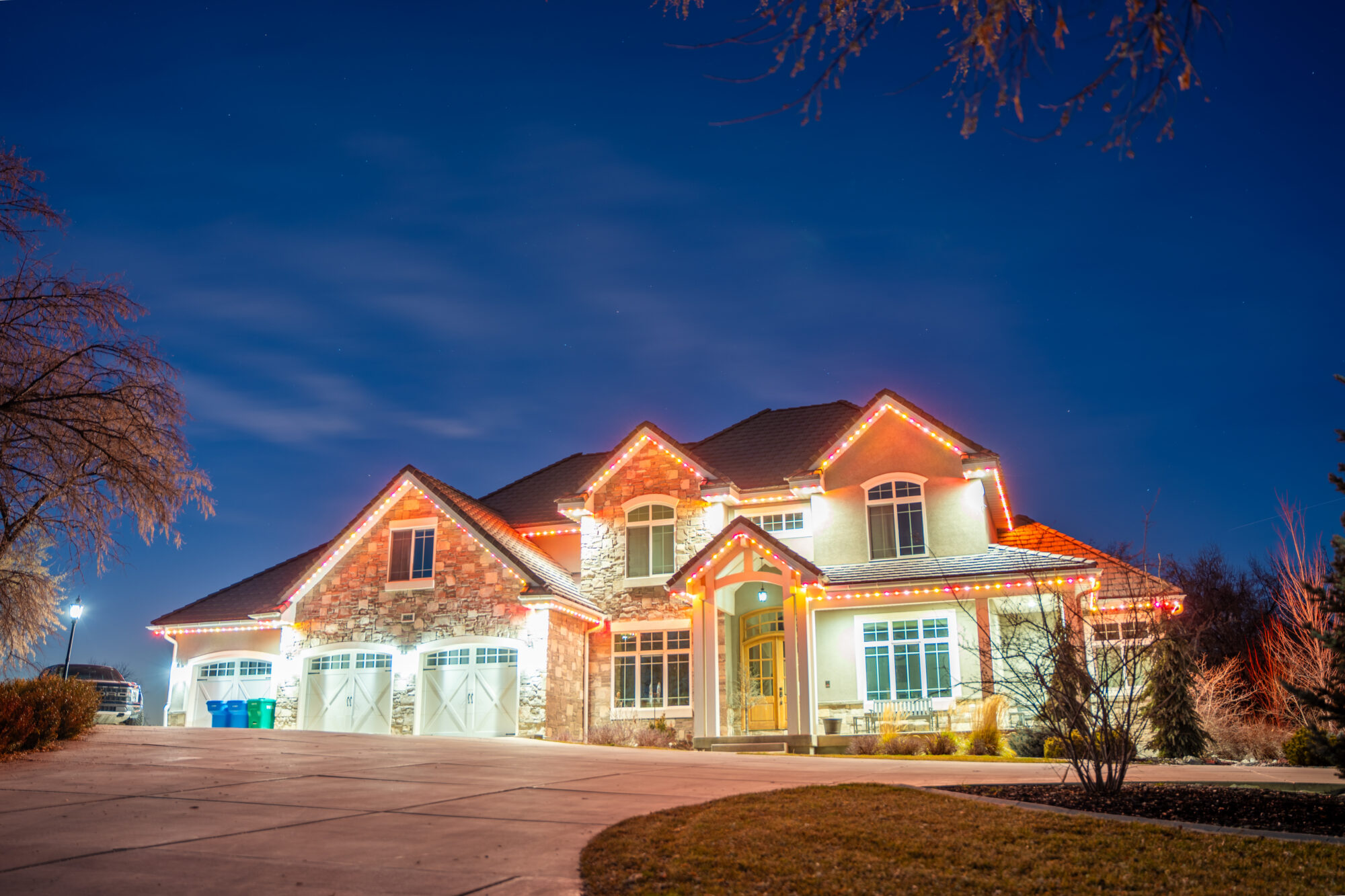
The best permanent lighting disappears when the sun is up. Then, after dark, your roofline becomes part of the celebration – warm white for an inviting everyday look, team colors on game day, or holiday scenes without a single tangled strand. To install lights under soffits well, the goal is not simply to get fixtures mounted. It is to create a clean, even effect that looks intentional from every angle.
That starts with a plan. Permanent soffit lighting is a premium home upgrade, and a few smart decisions before installation can mean the difference between polished curb appeal and visible hardware, uneven spacing, or a system that is harder to service later.
Start With the Soffit, Not the Lights
Walk the entire roofline in daylight before ordering components or climbing a ladder. Look at the material under your eaves, the depth of the soffit, where fascia and trim meet, and where power can enter the system. Vinyl, aluminum, fiber cement, and wood soffits can all work, but each calls for the right mounting method and care around existing vents, seams, and utility lines.
Your viewing angle matters just as much. Stand across the street and look at the home as your neighbors will see it. A light track placed too close to the fascia can make individual diodes more obvious. Set too far back, it may lose its clean scalloped effect on the exterior wall. The best placement depends on the height of the home, soffit depth, wall color, and the look you want after dark.
For most homes, consistent positioning matters more than chasing an exact measurement everywhere. Follow the same line along each run, account for architectural breaks, and make deliberate decisions at corners, peaks, porch returns, and garage bumps. A straight, balanced layout reads as professional even on a home with complicated rooflines.
Choose the effect you want at night
Permanent RGBW lighting gives you more than holiday color. True warm white can create an elevated architectural look for ordinary evenings, while color scenes make birthdays, graduations, and seasonal displays easy to change from an app. Before you install, decide whether your priority is a subtle wall-wash effect, bold holiday animation, security lighting, or all three.
That choice affects spacing and placement. Tighter, evenly measured spacing generally creates a more continuous line of light. A wider layout may be sufficient for a simple accent look. Dark brick, stone, and deeply textured siding can absorb more light than white or light-colored smooth siding, so test a small section before committing to a full layout whenever possible.
 Plan Power, Controls, and Cable Runs First
A clean permanent-lighting installation has a hidden backbone: power supplies, control equipment, and cable routing. Decide where those components will live before mounting the first section. A protected, accessible location near a suitable power source is usually ideal. You want equipment that stays out of sight but is not buried behind finished materials or impossible to reach if it ever needs service.
Map every roofline run and measure twice. Include the distance between runs, corners, dormers, and any route needed to return to a controller or power source. Also plan for cable management. Wires should follow trim lines or protected paths whenever possible, not drape across siding or sit exposed where they can snag, weather, or distract from the finished look.
Long, complex rooflines may need intentional power planning to maintain consistent brightness and performance. This is where following the manufacturer’s run-length, connection, and power-injection guidance matters. Do not assume one power point can support every layout. A system designed around the home performs better and avoids preventable troubleshooting later.
If your project requires a new exterior outlet, work inside an electrical panel, or routing through walls, bring in a qualified electrician. Permanent lighting should add freedom to your home, not create a safety gamble. Local electrical codes, GFCI protection, and weather-rated connections are part of doing the job right.
How to Install Lights Under Soffits for a Clean Finish
Once the layout and power plan are set, dry-fit the first run before making it permanent. Hold the track or light sections in place, step back, and confirm the line looks straight from the street. Use a chalk line, painter’s tape, or a measured reference line where appropriate. On a long run, a tiny drift near the start becomes obvious by the time you reach the corner.
Work in manageable sections. Start at the controller or designated connection point and follow the planned direction of the system. Keep each section aligned with the previous one, and avoid forcing a track to follow a warped or uneven surface. If the soffit has transitions, cutouts, or vents, treat them as planned details rather than obstacles to rush through.
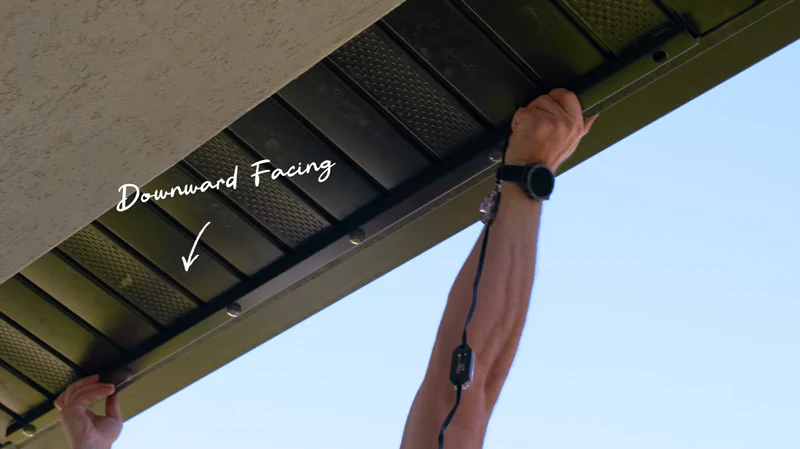
Fastening methods depend on the soffit material and the lighting system’s instructions. Adhesive alone may not be the right long-term answer in every climate or on every surface. Use the approved clips, screws, or mounting hardware, and take care not to crush wiring, pierce hidden electrical lines, or block soffit ventilation. The hardware should be secure enough for changing weather while remaining as discreet as the lights themselves.
At corners and transitions, keep the visual rhythm consistent. Avoid leaving a noticeably large dark gap unless the architecture calls for it. A gap around a downspout, beam, or vent may be necessary, but matching the spacing before and after the obstruction helps the eye read the run as one intentional design.
Test as you go, not after the final screw
Connect and test each completed section before moving far ahead. Confirm that every light responds, colors render correctly, and the app or controller recognizes the run as expected. Testing along the way makes it much easier to find a loose connector, reversed connection, or damaged component.
After the physical installation is complete, wait until evening for the real inspection. Cycle through warm white, a few saturated colors, and a moving pattern. Look for hot spots, dim sections, visible cable, crooked runs, and lights that shine directly into windows. Small adjustments at this stage can dramatically improve the finished appearance.
Program for Everyday Life, Not Just December
The payoff of permanent soffit lighting is that it earns its place long after the holiday season. Set warm white on a schedule for a welcoming nightly look. Create scenes for July Fourth, Halloween, birthdays, school spirit, and your favorite teams. Use brighter, practical settings near entries and darker sides of the house to support visibility without turning the whole property into a spotlight.
With a system such as EverLights, app control makes these changes simple, so the lighting can match the moment without dragging out bins, extension cords, and ladders. A well-designed RGBW system also gives warm white its own dedicated capability rather than asking colored LEDs to imitate it. That difference shows up on regular weeknights, when a home deserves to look polished without looking like it is decorated for a party.
Scheduling is where zero fuss really takes over. Put everyday lighting on an automatic evening schedule, build holiday scenes in advance, and set an end time that respects your household and neighbors. You get the curb appeal when you want it, without remembering to switch anything on or off.
DIY or Professional Installation? Choose the Path That Fits
A DIY installation can be a satisfying option for homeowners who are comfortable working at height, measuring carefully, and following a system plan. It gives you control over timing and can make professional-grade permanent lighting more accessible. The trade-off is time: roofline work is detail-heavy, and the safest installation is never the fastest one.
Professional installation is often the better fit for steep roofs, multi-story homes, complicated eaves, difficult power access, or homeowners who simply want it handled. A trained installer can evaluate placement, route cables cleanly, address power needs, and leave you with a finished system that is ready to customize.
Either path can deliver the same big win: ditching the annual ladder routine. When the lights are thoughtfully placed under the soffits, they stay protected and discreet by day, then make your home stand out every night of the year. Take the extra time to plan the first run well. Every scene you set afterward will look better because of it.