
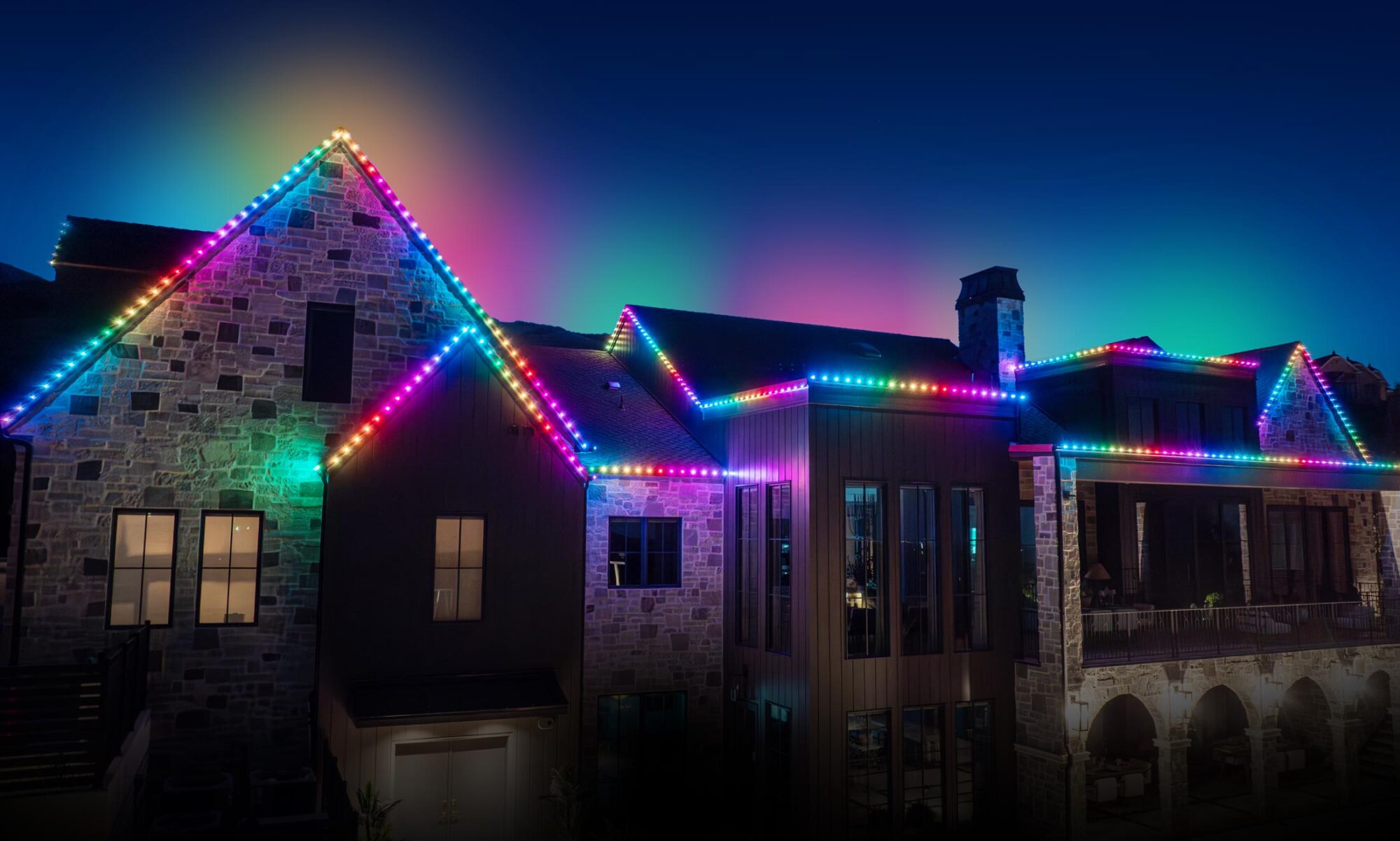
Your home should not go dark at 6:15 one night and shine like a stadium until midnight the next. When you create exterior lighting schedules, you give your home a polished look every evening without remembering to flip a switch, climb a ladder, or change a timer every season.
A well-planned schedule does more than turn lights on and off. It makes your entry feel welcoming when you pull in the driveway, helps light it up for security after bedtime, and puts holiday colors to work exactly when you want them. With permanent smart lighting, the goal is simple: set the rhythm once, then enjoy a great-looking home all year.
Start With What You Want Your Lights to Do
Before choosing times and colors, decide what each part of the evening needs from your lighting. Most homeowners want a blend of curb appeal, practical visibility, security, and celebration. The right balance depends on your street, your bedtime, and whether your home is a frequent gathering place.
For everyday curb appeal, a warm-white scene along the roofline can make architectural details stand out without overwhelming the neighborhood. For security, a brighter but still tasteful setting can keep entrances, walkways, and darker sides of the property more visible. For holidays, game days, birthdays, and parties, programmable color scenes bring the energy without adding another task to your calendar.
These goals do not have to compete. Smart exterior lighting lets you use a softer scene for the early evening, switch to a practical late-night look, and return to off or low-level lighting when the house is quiet. That is a much better plan than one bright setting running from dusk to dawn.
Build Your Exterior Lighting Schedule Around Sunset
Fixed clock times sound easy, but they can leave your home dark too early in December or illuminated long before sunset in June. A sunset-based schedule adjusts as daylight changes, which is why it is usually the best starting point for permanent exterior lighting.
Set your primary evening scene to begin at sunset or 15 to 30 minutes before it. Starting slightly early works well if your property sits in shade, has a covered entry, or gets dark sooner than nearby homes. A clean warm-white scene is an easy default because true RGBW lighting can deliver the familiar, inviting look of traditional exterior lighting without a blue-tinted white.
Then choose an end time based on how you use your home. If your family is often outside until 10 p.m., keep the curb-appeal scene active through the evening. If you are usually in for the night by 9 p.m., there is no reason to run a bright decorative pattern until morning. Lower energy use is a benefit, but so is keeping the look intentional.
Use a Two-Part Evening Plan
A two-part schedule gives most homes the best mix of beauty and practicality. Run your main scene from sunset through the hours when neighbors, guests, and family are active. Then change to a quieter scene later in the evening.
For example, your lighting may run warm white from sunset until 10 p.m. After that, it can shift to a lower-brightness white setting until 1 a.m. or turn off entirely. If your priority is visibility around the driveway or front door, keep a subtle late-night scene rather than leaving every light at full brightness.
The exact timing depends on your property. A home on a busy corner may benefit from a more consistent presentation. A home in a quiet neighborhood may need only a few evening hours of illumination. Smart control gives you options, so there is no need to treat every night the same.
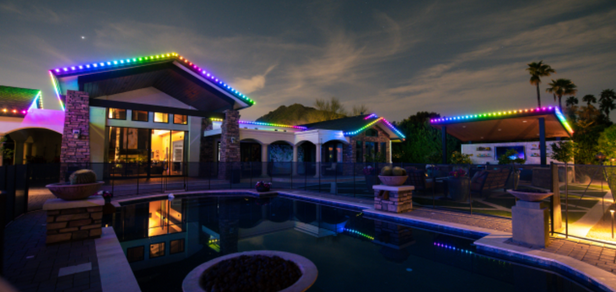 How to Create Exterior Lighting Schedules That Feel Effortless
The easiest schedules are built from a small number of repeatable scenes. Trying to program a different look for every possible occasion can turn a convenience feature into another project. Start with a reliable everyday setup, then layer in special moments.
First, create an Everyday Warm White scene. Choose a brightness that defines the roofline and entry without producing glare. This is the scene that handles Monday nights, dinner on the patio, and the simple pleasure of coming home to a house that looks finished.
Next, create a Late Night scene. Use a dimmer warm white or a restrained color setting that supports visibility but does not draw attention. This scene is especially helpful for homeowners who arrive late, walk dogs after dark, or want a more lived-in appearance while away for an evening.
Then add a Weekend or Entertaining scene. It might be brighter warm white, a favorite team color combination, or a subtle animated pattern for a backyard gathering. Schedule it for Friday and Saturday evenings, or activate it manually when plans come together.
Finally, save dedicated holiday scenes separately. Your Christmas schedule may run for several weeks, while a Fourth of July scene may be active for one evening. Keeping these scenes organized means you can celebrate big without rebuilding your everyday settings afterward.
A simple weekly setup might look like this:
- Sunset to 10 p.m.: Everyday Warm White at a comfortable brightness.
- 10 p.m. to 1 a.m.: Late Night scene at reduced brightness.
- Friday and Saturday: Weekend scene from sunset to 11 p.m.
- Holidays and events: Scheduled color scene that automatically returns to Everyday Warm White afterward.
That last detail matters. A great schedule includes the off-ramp. Set the end date and return scene when you build the event schedule, so your home does not stay red, green, and blue until someone remembers to change it.
Choose Color and Brightness With Your Home in Mind
More than four billion color options are fun, but the best exterior lighting schedule is not always the most colorful one. Your roofline, siding, landscaping, and neighborhood all influence what looks right. Warm white tends to flatter nearly every home style, from brick colonials to clean-lined new construction. It also keeps your home looking elevated between celebrations.
Save saturated colors and moving patterns for moments that call for them. A red, white, and blue scene can make Independence Day feel bigger. Team colors can turn a watch party into an event. A soft orange scene may be perfect for October. The trade-off is that intense colors can feel visually busy if they run every night or at maximum brightness.
Brightness deserves the same attention. A large, dark property may need more output than a compact home with close neighbors. Begin slightly lower than you think you need, view the lighting from the street, and adjust from there. The goal is definition, not glare.
Plan for Seasons, Travel, and Real Life
Your schedule should change when your life changes. Daylight shifts throughout the year, but schedules built around sunset handle much of that automatically. What still needs your attention are the exceptions: vacations, holiday weeks, visiting family, and periods when you want a different level of visibility around the home.
Before leaving town, schedule a familiar warm-white look for the early evening rather than a nonstop animated pattern. It gives the home a cared-for appearance without announcing that no one is there. If you want extra peace of mind, extend the lower-level late-night scene around key entry areas.
For holiday scheduling, give yourself a clear start and stop date. Turn on festive colors a few days before a gathering, then have the system switch back to your standard scene after the event. This is where permanent lighting earns its keep: no tangled strands, no storage bins, and no freezing trip up a ladder to make one small change.
Avoid the Scheduling Mistakes That Make Lighting Feel Random
The most common mistake is running one bright scene all night. It can waste the visual impact of your lighting, disrupt sleep for nearby rooms, and create unnecessary glare. Use a late-night setting or shut the system down when it no longer serves a purpose.
Another mistake is treating decorative lighting as security lighting. Exterior lighting can improve visibility and make entries more welcoming, but it works best as part of a broader home security plan. A consistent, well-lit entry is more useful than a flashing pattern after midnight.
It is also easy to overcomplicate the app. Give your most-used scenes clear names such as Everyday, Late Night, Game Day, and Christmas. When anyone in the household can find the right setting in seconds, you are much more likely to use the system fully.
Set It Once, Then Make It Yours
Whether you choose a professionally installed system or take the DIY route with ClickLights, schedule planning should feel like the finishing touch, not a technical hurdle. EverLights systems are built for that kind of control: discreet by day, memorable after dark, and ready to match the occasion from your phone.
Start with one dependable warm-white schedule this week. Watch how your home looks as you arrive after dark, then make small adjustments to brightness and timing. The best exterior lighting schedule is not the busiest one. It is the one that makes your home look ready, welcoming, and unmistakably yours every night.