
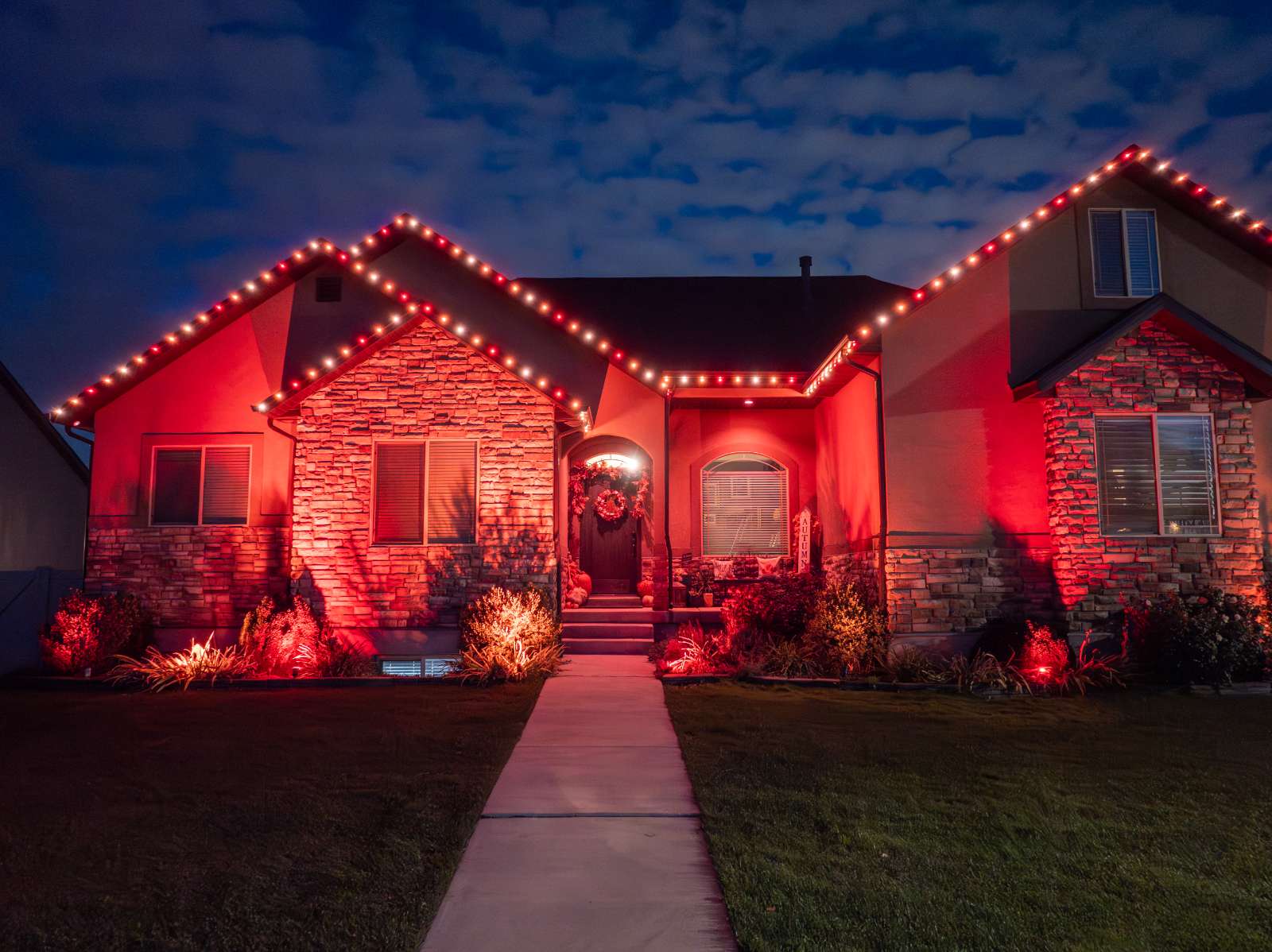
The right exterior lighting does more than make a house visible after sunset. It gives your entry a warm welcome, makes outdoor gatherings feel intentional, highlights the details you invested in, and helps your property feel more secure. This home exterior lighting guide is built around one simple idea: light your home for the way you actually live, not just for one holiday in December.
For many homeowners, that means moving beyond a porch light and a temporary strand of seasonal bulbs. A thoughtful plan can deliver polished curb appeal on an ordinary Tuesday, bright white light for guests, team colors on game day, and holiday scenes without another trip up the ladder.
Start Your Home Exterior Lighting Guide With Purpose
Before choosing fixtures, colors, or controls, decide what each area of the property needs to do. The best lighting plans balance beauty, function, and restraint. More light is not automatically better. A home flooded with harsh brightness can lose the welcoming look you were trying to create, while glare can make walkways and cameras harder to use.
Think in zones. Your front entry needs clear, friendly illumination for visitors and package deliveries. Paths, stairs, and changes in elevation need practical light for safer movement. Patios and decks need enough visibility for conversation and cooking, but not so much that every evening feels like a parking lot. The roofline, gables, columns, stonework, and landscaping are where lighting creates the visual finish that makes a home stand out.
Security is another layer, but it should not dictate every choice. Motion-activated fixtures can be useful at side yards, gates, and darker access points. Meanwhile, scheduled architectural lighting creates a lived-in appearance and removes the need to remember a switch every night. The strongest plan uses both where appropriate.
Build Light in Layers, Not Random Fixtures
Professional-looking exterior lighting usually comes from layering different jobs together. Start with ambient light, the general glow that makes the exterior feel inviting. Porch fixtures, soffit lighting, and discreet permanent roofline lighting can all contribute here.
Next comes task light. This is focused illumination at the front door, garage entry, steps, grill area, or driveway. It should help people see clearly without shining directly into their eyes. Downward-facing fixtures and properly aimed lights generally do more work with less glare.
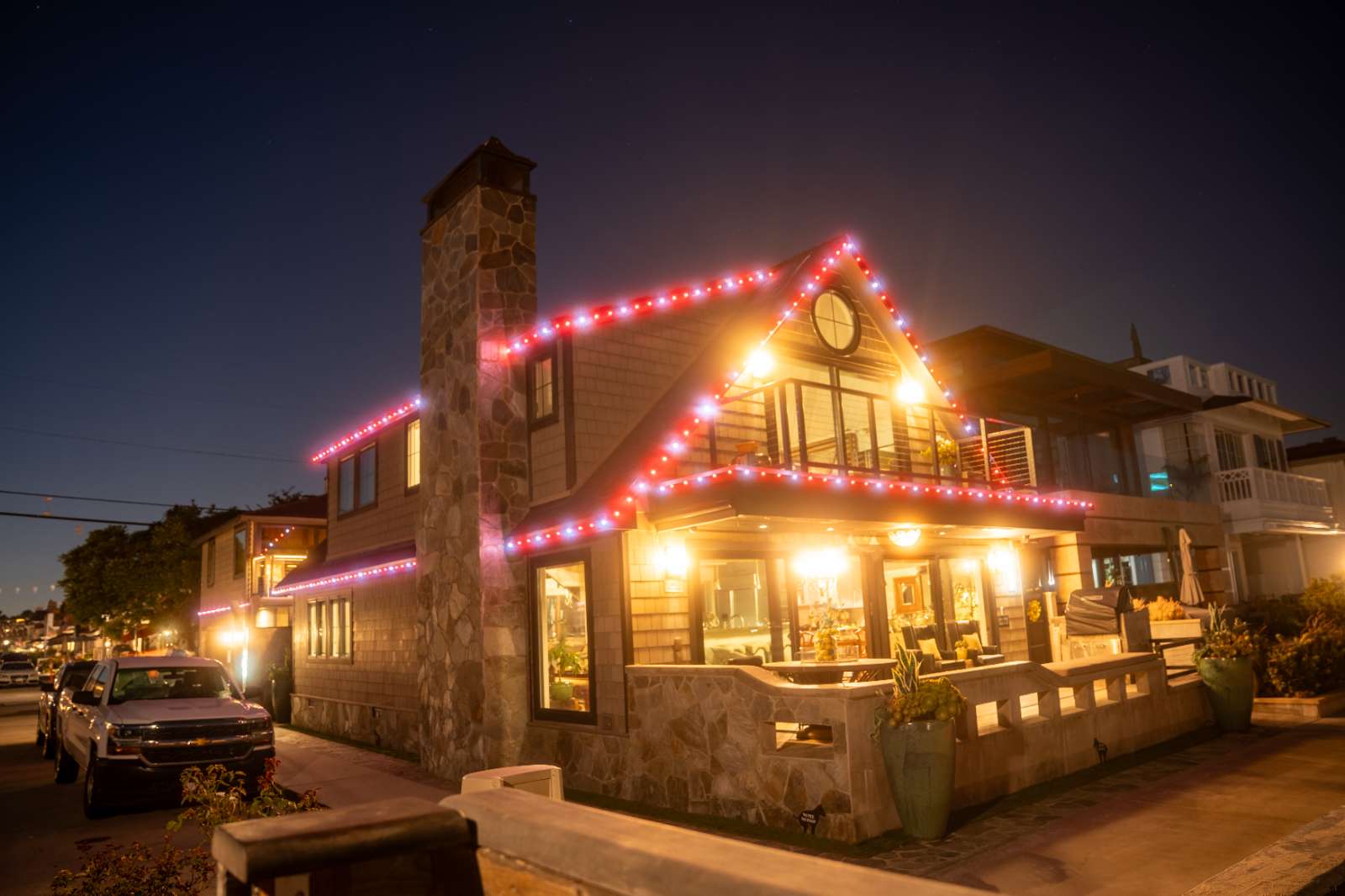
Finally, add accent light. This is the layer that gives your home personality. It can show off a mature trees or stone frontage. A wash of light along an architectural feature adds depth. Permanent smart lighting tucked under soffits or trim can define the roofline with a clean, finished appearance while staying discreet during the day.
A common mistake is installing every light at the same height and brightness. Instead, vary the layers. Let the entry be functional, let the architecture carry the curb appeal, and let landscape accents stay subtle enough that they enhance the home rather than compete with it.
Match Brightness to the Location
Brightness should fit the job. A decorative porch lantern is not a floodlight, and a path light should not throw light across the neighbor’s yard. Look for fixtures that direct light where it is useful, then test them after dark before calling the project finished.
For permanent roofline lighting, brightness is especially dependent on mounting height, home color, trim depth, and the effect you want. A system with about 70 lumens per light can create a bold, visible architectural outline while still allowing for softer everyday scenes through app-based dimming and scheduling.
 Choose Warm White First, Then Add Color
Color-changing lighting gets attention, and for good reason. It turns a home into part of the celebration for holidays, birthdays, graduations, and game days. But everyday white light is what determines whether your investment earns its place for the other 300-plus nights of the year.
Choose a system with true warm-white capability, not just RGB colors blended to approximate white. Warm white brings out brick, stone, wood, and neutral siding in a way that feels comfortable and polished. It is the setting most homeowners will use for daily curb appeal, dinners on the patio, and welcoming guests.
Then use color with intention. Red, white, and blue can work for summer celebrations. Orange and purple make an easy fall scene. School colors, favorite sports teams, and holiday palettes can be scheduled in seconds. The advantage of smart controls is that your home can be festive when you want it to be and refined when you do not.
Avoid turning every zone into a color show at once. If the roofline is running a dynamic holiday pattern, keep pathway and entry fixtures neutral. A little contrast makes the result look designed rather than busy.
Plan Placement Before You Buy
Walk outside at dusk and look at your home from the street, driveway, sidewalk, and backyard. Notice the dark gaps, tripping hazards, attractive features, and areas where light could spill into bedroom windows. This walk-through will reveal more than a daytime sketch ever can.
At the front of the house, place lighting to frame the entry rather than flatten it. Fixtures on both sides of a door should feel proportionate to the doorway. If you have a covered porch, consider how beams, ceiling height, and shadows affect the result.
For roofline lighting, clean alignment matters. Permanent lights are typically installed beneath soffits, trim, or flashing so the daytime look stays low-profile. The layout should follow the architectural lines you want to emphasize, not every possible edge of the house. A simple, consistent outline usually has more impact than an overcomplicated design.
In the backyard, prioritize the places people use. Light the transition from the house to the patio, define steps, and give cooking and seating areas their own level of visibility. If you want a relaxed atmosphere, use lower brightness and warmer tones. If you routinely host larger groups, add controllable task lighting around food prep and access points.
Put Control and Scheduling at the Center
A lighting plan is only convenient if it is easy to operate. Smart exterior lighting gives homeowners the freedom to set a schedule, save favorite scenes, dim the brightness, and change colors without heading outside in bad weather.
Scheduling is the feature people often appreciate most after installation. Set warm white to come on around sunset, turn off at bedtime, and automatically switch to a holiday or event scene when the day arrives. It creates consistency without adding another chore to the household list.
Look for controls that allow separate zones when your property needs them. The front of the house may need an everyday curb-appeal schedule, while the backyard stays off until you are entertaining. Side-yard security lights may follow a motion-based plan. Separating those uses helps you avoid wasting energy or lighting areas unnecessarily.
Permanent smart systems such as EverLights can provide more than four billion color options and 200-plus preset patterns, but the real benefit is not having endless choices. It is being able to find a look your family loves, save it, and bring it back whenever you want.
Know When DIY Makes Sense and When It Does Not
DIY exterior lighting can be a satisfying project for homeowners who are comfortable measuring, planning routes, working safely around low-voltage components, and following installation instructions closely. A DIY kit can also give you more control over timing and budget.
Professional installation is often the better route when your roofline is complex, access is difficult, the home is tall, or you want a turnkey result. Proper placement affects both appearance and performance, especially with permanent lighting installed under trim or soffits. A professional can also help identify the best power locations, control placement, and layout for the architecture.
Either way, do not treat weather resistance as an afterthought. Outdoor components should be designed for exposure to rain, heat, cold, and seasonal changes. Long-life LEDs with an expected 50,000-hour lifespan can reduce maintenance, but installation quality and the warranty behind the system still matter.
Keep the Finished Look Intentional
Once your lighting is installed, spend a few evenings fine-tuning it. Dim the lights from the street. Check for glare from inside the house. Make sure path lighting helps guests see steps without becoming a row of bright dots. Ask whether the lighting is highlighting your best features or calling attention to areas that are better left quiet.
The goal is not to make your home look lit up for the sake of it. The goal is to make arriving home feel better, make gatherings easier, and make every season a little more worth celebrating. Set the scene once, let the schedule handle the rest, and enjoy a home that is ready to light up without the annual hassle.