
Every December, the same job returns: find the tangled bins, test half-working strands, climb the ladder, and hope the weather cooperates. A smarter exterior lighting setup changes that routine for good. This smart lighting systems comparison looks beyond the app and the color wheel to help homeowners choose lighting that fits how they actually use their homes.
The right system should do more than flash red and green for a few weeks. It should make your home look polished on ordinary nights, bring the energy for game days and birthdays, and give you a practical way to light it up for security. The biggest differences come down to placement, white-light quality, durability, control, and whether the system is built to stay up year-round.
Smart Lighting Systems Comparison: Start With the Job
Not every smart light is trying to solve the same problem. Smart bulbs, plug-in string lights, landscape fixtures, floodlights, and permanent roofline systems can all be useful. Comparing them as if they are interchangeable usually leads to disappointment.
A smart bulb works well when you want to change the mood on a porch or patio. A smart floodlight can cover a driveway or side yard. Plug-in string lights add a casual glow to a deck, pergola, or seasonal display. Permanent exterior lighting is designed for a different job: clean, programmable illumination along the roofline, soffit, trim, or flashing without leaving visible holiday lights hanging during the day.
For homeowners who want one system to handle holidays, curb appeal, celebrations, and routine exterior lighting, permanent lighting is typically the more complete answer. It requires more planning up front, but it removes the annual installation and takedown cycle that makes traditional holiday lights such a hassle.
Temporary string lights: low entry cost, high repeat effort
Traditional and app-controlled string lights are familiar, flexible, and inexpensive to purchase. They can be a fine choice for a short-term event or a temporary display. The trade-off is that they still need to be installed, removed, stored, and replaced as strands wear out.
Even smart versions depend on accessible outlets, extension cords, and careful placement. They can look great at night, but daytime appearance is often the weak point. For a homeowner who wants to ditch the ladders permanently, strings are a recurring project rather than a lasting upgrade.
Solar lights: easy placement, limited control
Solar path lights and accent fixtures are useful where running power is impractical. They are simple to place and can add a soft outline to walkways, gardens, and landscape features. But performance depends heavily on sunlight, battery condition, season, and weather.
Most solar products also offer limited brightness and limited smart functionality. They are best treated as landscape accents, not as a dependable roofline lighting system or a central part of a programmable holiday display.
Smart bulbs and floodlights: targeted, not architectural
Smart bulbs and floodlights offer a quick way to add color or automation to a specific area. They are particularly useful at entryways, patio fixtures, garages, and side yards where brighter security-minded light makes sense. If you only need two or three controlled fixtures, this category may be all you need.
Their limitation is coverage. A few bulbs cannot create the crisp, consistent outline of a professionally designed roofline system. They also depend on existing fixture locations, which may not put light where you want it most.
 Permanent Lighting vs. Seasonal Lighting
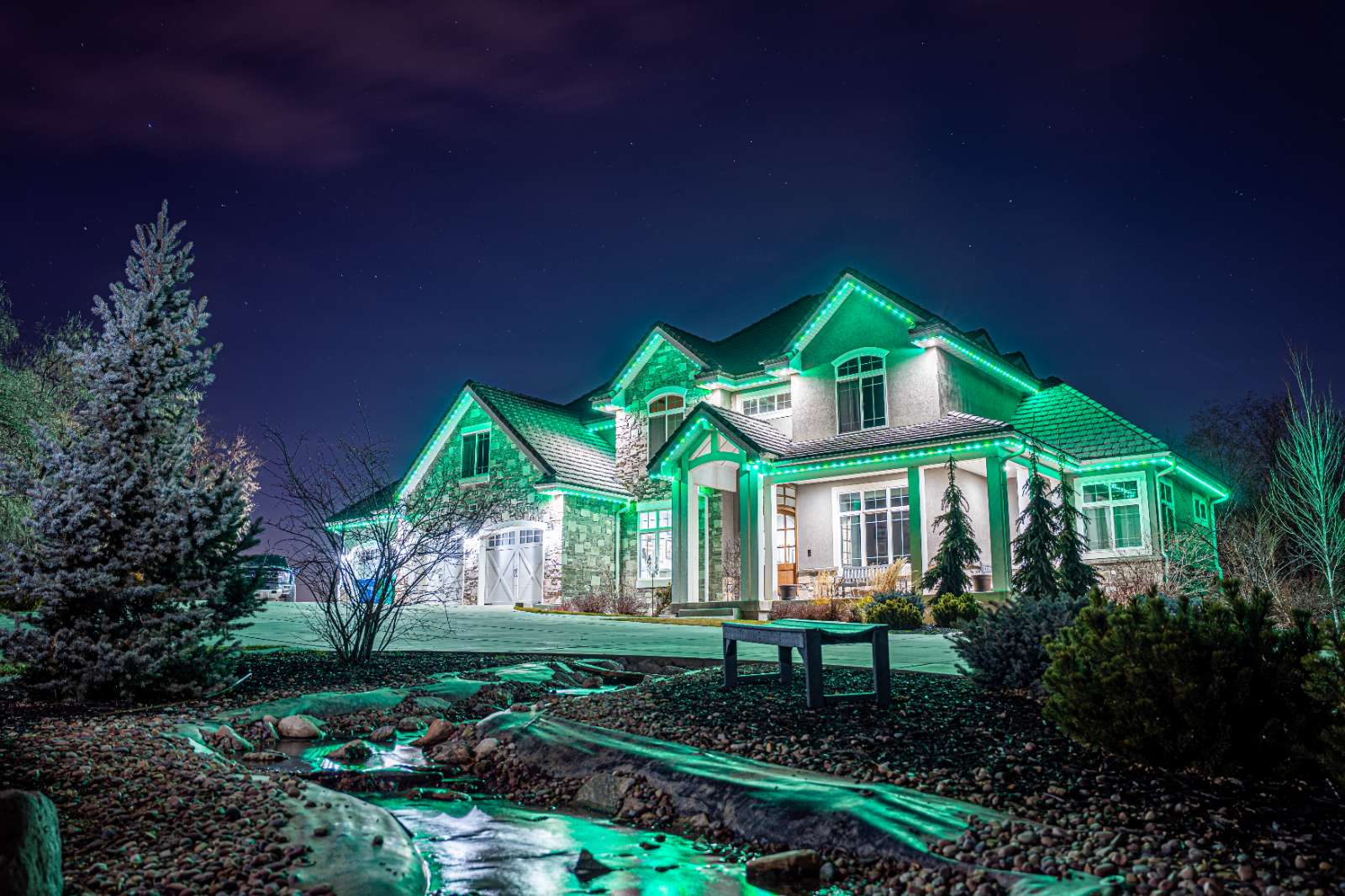
Permanent systems earn their name by becoming part of the home rather than a temporary decoration. Properly installed lights sit discreetly beneath soffits, trim, or flashing, so the daytime look stays clean. At night, individual LEDs can create solid colors, moving patterns, alternating effects, or understated warm-white architectural lighting.
That flexibility changes the value equation. Seasonal strands are mainly purchased for Christmas or occasional celebrations. Permanent lighting can work on every holiday, support school colors on game day, welcome guests for a party, highlight a home’s lines on an ordinary evening, or provide scheduled light while you are away.
The trade-off is initial cost and installation planning. A permanent system needs accurate measurements, a power plan, and thoughtful controller placement. Homeowners who enjoy hands-on projects may prefer a DIY kit with professional-grade components. Others will get more value from a professional installation that handles layout, mounting, setup, and support.
Why RGBW Matters More Than a Bigger Color List
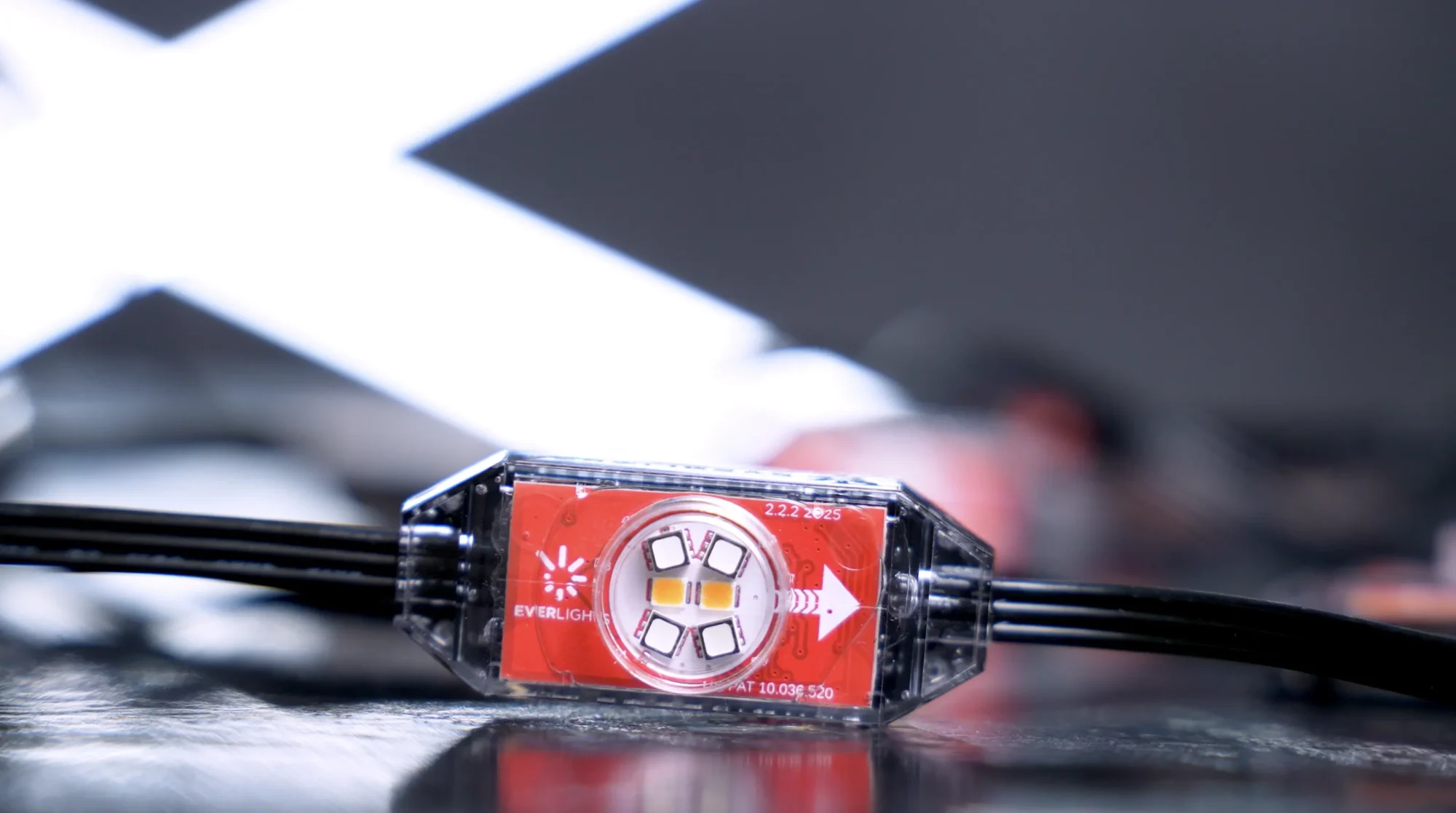
Many smart lighting systems advertise millions of colors. That sounds impressive, but the white channel deserves just as much attention. RGB lights create white by blending red, green, and blue. The result can look cool-toned, bluish, or slightly artificial, especially when used as everyday architectural lighting.
RGBW systems include a dedicated white LED alongside red, green, and blue. That means you can enjoy vivid holiday colors and patterns when the occasion calls for them, then switch to a true warm-white look that feels appropriate for your home the rest of the year.
This is one of the clearest dividing lines in a smart outdoor lighting systems comparison. If your plan is purely occasional color effects, RGB may be enough. If you want lighting that looks refined in January as well as December, choose a system with real warm-white RGBW capability.
Brightness matters, too. Too little output disappears against a large home or gets lost under streetlights. Too much can look harsh, create glare, or annoy neighbors. Look for lighting designed to direct illumination downward and outward in a controlled pattern, rather than simply producing the highest possible number on a spec sheet.
Control Should Make the System Easier to Use
A good smart lighting app should reduce effort, not create another device you have to manage. At a minimum, look for individual color selection, saved scenes, timers, scheduling, brightness adjustment, and grouping. Preset patterns are valuable because most homeowners do not want to build a custom effect every time a holiday arrives.
Scheduling is where smart lighting becomes especially practical. Set warm white for evening curb appeal, turn on festive colors for a birthday weekend, or schedule lights around travel plans to make the property look lived in. Once scenes are saved, changing the home’s look should take seconds, not an afternoon on a ladder.
Consider how much customization you will realistically use. A huge menu of effects is fun, but simple controls and reliable scheduling matter more over time. Systems with 200-plus presets and billions of color combinations can offer plenty of room to experiment without forcing you to become a lighting programmer.
Outdoor Durability Is Not Optional
Exterior lighting deals with heat, cold, rain, snow, wind, UV exposure, and seasonal temperature swings. Indoor smart lights and bargain patio products are not built for that workload. Before you buy, ask how the lights, wiring, connections, controllers, and power supplies are designed to handle outdoor conditions.
A long expected LED life, such as 50,000 hours, is a strong starting point, but it is not the whole story. The mounting system matters. The wire routing matters. Weather-resistant connections matter. So does warranty coverage from a company that will still be available if you need help later.
For roofline lighting, discreet mounting also protects the polished look of your home. The goal is not to make the hardware the feature. During the day, your house should look like your house. At night, it should stand out for the right reasons.
DIY or Professional Installation?
This choice is less about skill level than time, comfort, and the complexity of your home. DIY systems can be an excellent fit for homeowners who are confident measuring rooflines, working safely at height, planning wire runs, and following installation instructions. They offer more control over the project and can reduce installation costs.
Professional installation makes sense when the roofline is tall, complex, or difficult to access, or when you simply want a zero-fuss experience. A trained installer can recommend placement, conceal components cleanly, configure the system, and make sure the finished result looks intentional from the street.
EverLights offers both paths because homeowners should not have to choose between professional-grade permanent lighting and the installation experience that suits them. Whether you install a ClickLights bundle yourself or work with a professional, the target is the same: a clean daytime appearance and reliable, app-controlled light after dark.
How to Choose Without Overbuying
Start by deciding what you want your lighting to do most nights. If you mainly want safer entryway illumination, smart floodlights or fixture bulbs may be enough. If your priority is holiday displays but you do not mind annual setup, seasonal strings remain the lowest-cost option.
If you want your home to look finished year-round while eliminating seasonal ladder work, permanent RGBW roofline lighting is the stronger investment. Choose a system with dependable weather resistance, warm-white capability, scheduling, a useful preset library, clear support, and an installation route that matches your confidence level.
The best smart lighting system is the one you will actually use beyond one holiday. Picture the calm warm-white setting you will run on a regular Thursday night, then the colors you will switch on when there is something worth celebrating. That is when exterior lighting stops being another seasonal chore and starts making your home stand out every night of the year.