
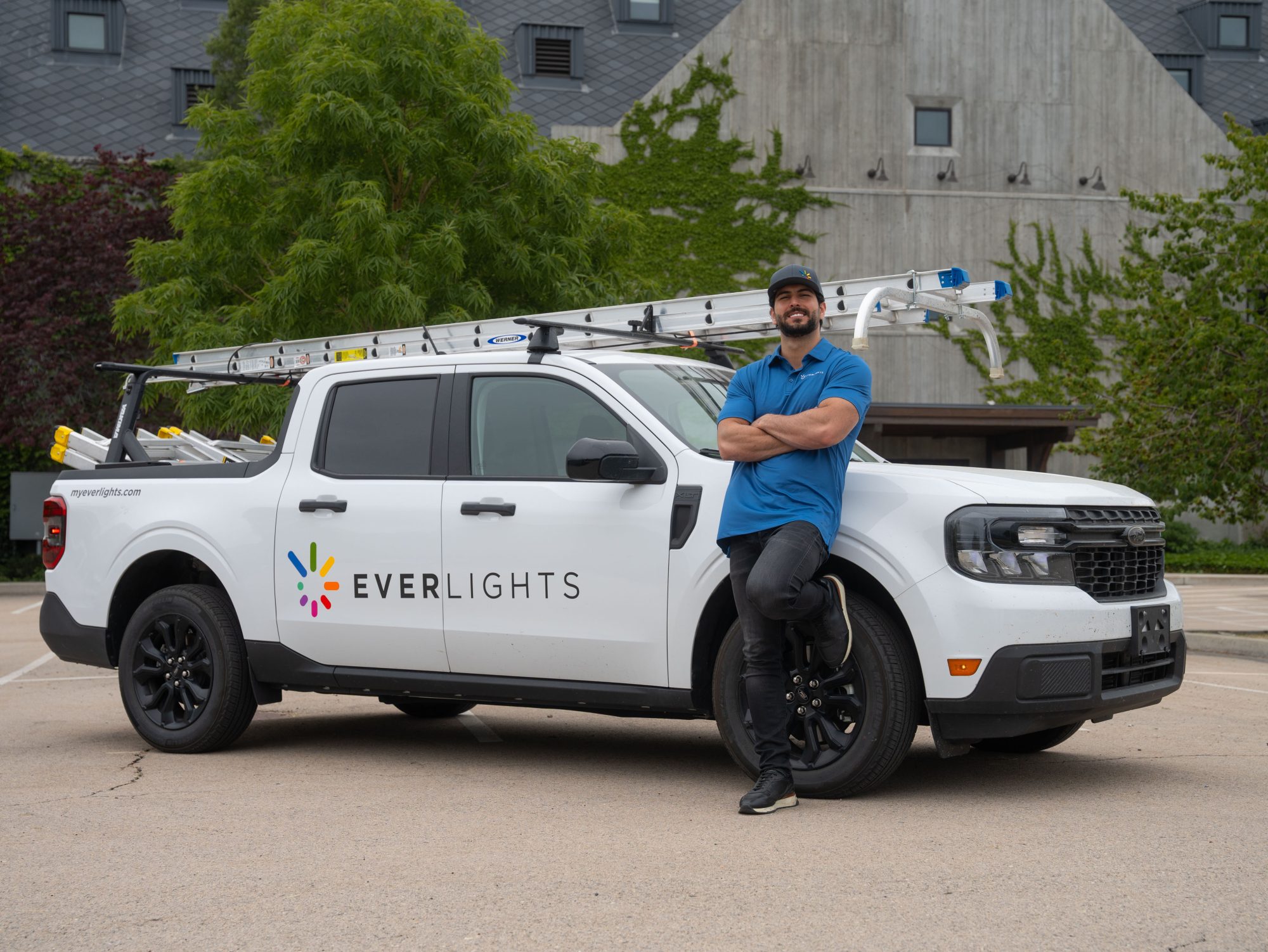
For homeowners weighing contractor installed versus DIY lighting, the best choice is rarely just about the upfront price. It is about how much time you want to spend on the project, how polished you want the finished home to look, and whether you would rather manage the install or simply enjoy the results. Either path can get you out of the annual ladder-and-light-strand routine. The right one depends on your home, your comfort level, and how quickly you want to light it up.
Permanent outdoor lighting is built to do more than make December easier. A discreet, programmable system can bring warm white curb appeal to an ordinary Tuesday, team colors to game day, celebration scenes to birthdays, and practical exterior illumination when you are away. The installation path determines how that upgrade feels from day one.
Contractor-Installed Versus DIY Lighting: What Actually Changes?
The lights themselves may offer the same smart controls, colors, schedules, and long service life. What changes is who handles the planning, mounting, wire management, setup, and troubleshooting during the project.
A contractor-installed system is a turnkey experience. A trained installer evaluates the roofline and soffits, determines the cleanest routing, mounts the track or lighting components, places the controller, and verifies the system works as intended. This is especially appealing when a home has multiple stories, complex rooflines, challenging access, or a finish where every visible detail matters.
A DIY system puts the project in your hands. You measure, plan runs, install components, manage corners and power locations, and connect the system according to the instructions. For a homeowner who is comfortable with tools, careful measurements, and exterior projects, DIY can be a satisfying way to get professional-grade permanent lighting at a more accessible price.
Neither option is automatically better. The better question is: Do you want to invest more money for time, convenience, and a finished install, or invest your own time to reduce installation costs?
Choose Professional Installation When the Finish Matters Most
A professional installation is often the clear choice for homeowners who want zero fuss. You make the design decisions, then an experienced crew handles the work that turns a box of components into a clean lighting system that disappears during the day.
That daytime appearance matters. Permanent lighting should complement your architecture, not compete with it. Professionals know how to align lighting along soffits, trim, or flashing so spacing looks intentional across peaks, valleys, corners, and transitions. They can also make thoughtful decisions about cable routing and controller placement that are harder to see in a product photo but obvious once the system is on your house.
Installation is also a safety and access decision. Working on ladders near roof edges is not everyone’s idea of a weekend project, particularly on a two-story home or a steep roofline. A contractor brings the right equipment and experience for that environment, saving you from buying specialized gear or taking unnecessary risks.
Professional service has value after installation, too. If you prefer having a point of contact for questions, app setup, system operation, or future additions, the installed route offers more confidence. You are not just paying for labor. You are paying for planning, precision, accountability, and time back in your calendar.
This path makes particular sense if your home has complicated eaves, limited accessible outlets, several architectural elevations, or a highly visible front facade. It is also a strong fit if you know that an unfinished weekend project will sit in the garage until next season.
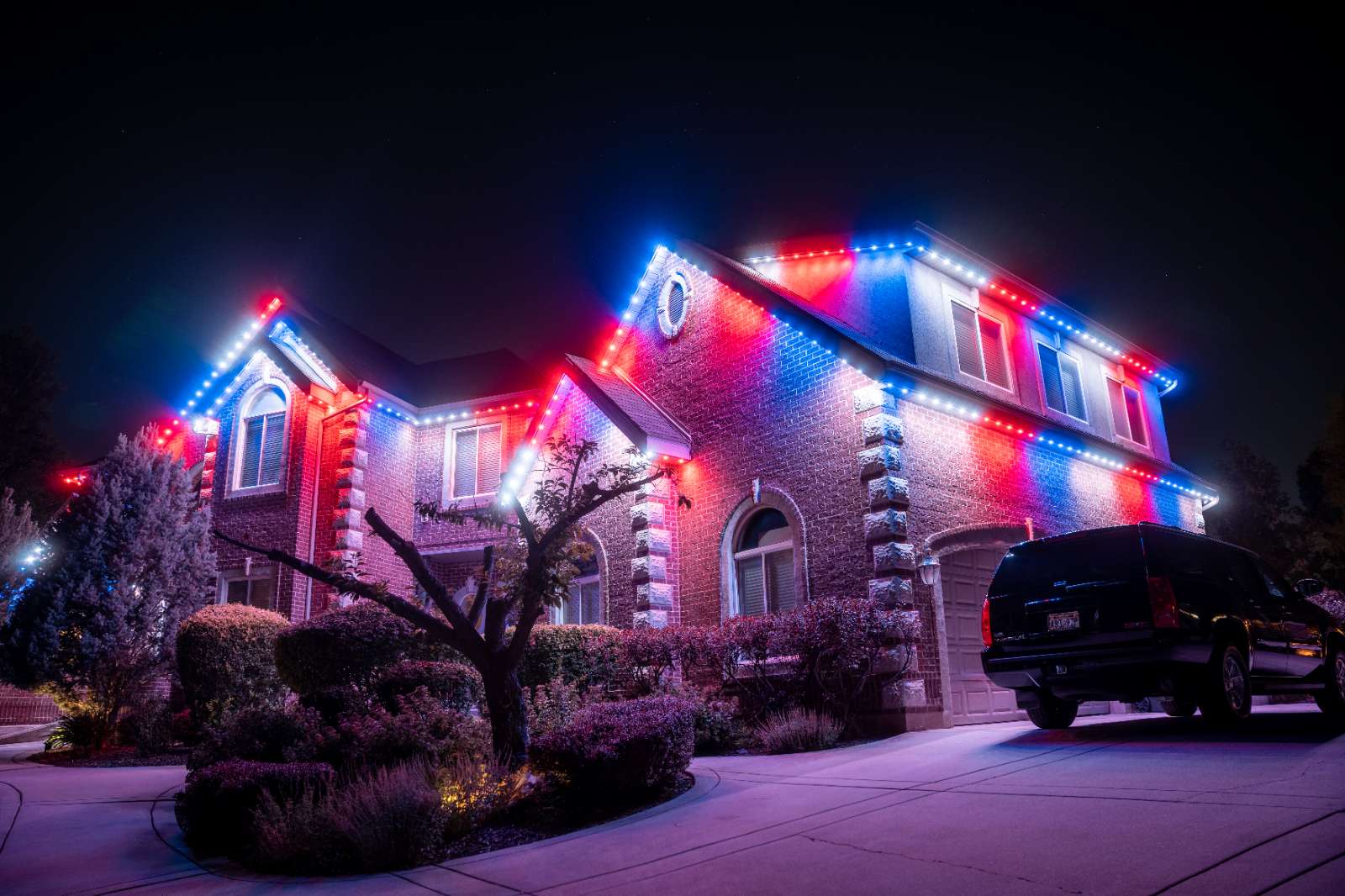
DIY Lighting Makes Sense for Capable, Hands-On Homeowners
DIY permanent lighting is not a shortcut. It is a real home project, and that is exactly why some homeowners love it. You control the pace, learn how the system works, and can take pride in seeing your home transform because of work you completed yourself.
The savings can be meaningful because you are supplying the labor. That can leave more room in the budget for a longer run, additional areas of the home, or other outdoor upgrades. DIY also gives you flexibility. You can complete one section, test your layout, and continue when your schedule allows rather than coordinating an installation appointment.
The key is being honest about the work involved. Before choosing DIY, plan to measure your roofline carefully, identify power access, account for corners and obstructions, and understand how each run will connect. Clean results depend on accurate spacing and patient mounting. A system that looks effortless at night starts with careful work in daylight.
You should also be comfortable following installation instructions exactly. Exterior lighting needs secure mounting, protected connections, thoughtful wire routing, and a controller location that makes sense for the property. If electrical changes are needed beyond plugging into an appropriate existing power source, bring in a qualified electrician rather than guessing.
Compare the Cost Beyond the Quote
The DIY route usually wins on initial cash outlay because you do not pay for installation labor. But the full cost is more than the kit price. Consider the tools you may need, ladder access, mounting supplies, possible electrical work, and the value of several hours or several weekends of your own time.
Contractor installation costs more up front, but it may prevent expensive do-overs. Long-term value also comes from how often you use the system. A permanent RGBW setup is not limited to red and green in December. True warm white can support everyday curb appeal, while programmable color scenes can celebrate events year round.
A Simple Way to Decide
Choose contractor installation if you value a polished finish, have a complex home and want a team manage the details. Choose DIY if you enjoy hands-on work, a straightforward installation, and are willing to spend time measuring and planning. It is a practical way to take control of the upgrade while keeping more of the budget in your pocket.
There is also a middle ground. Some homeowners start with a DIY installation, then use professional help for future expansions. The best plan does not have to be all or nothing.
EverLights supports both paths because the goal is the same. Get lighting that looks intentional, works simply, and ends the yearly cycle of tangled strands and ladder climbs. Enjoy outdoor durability, discreet daytime placement, smart scheduling, and the color flexibility to keep your home looking great all year. Pick the level of help that fits your home, then let every season have its own reason to shine.