
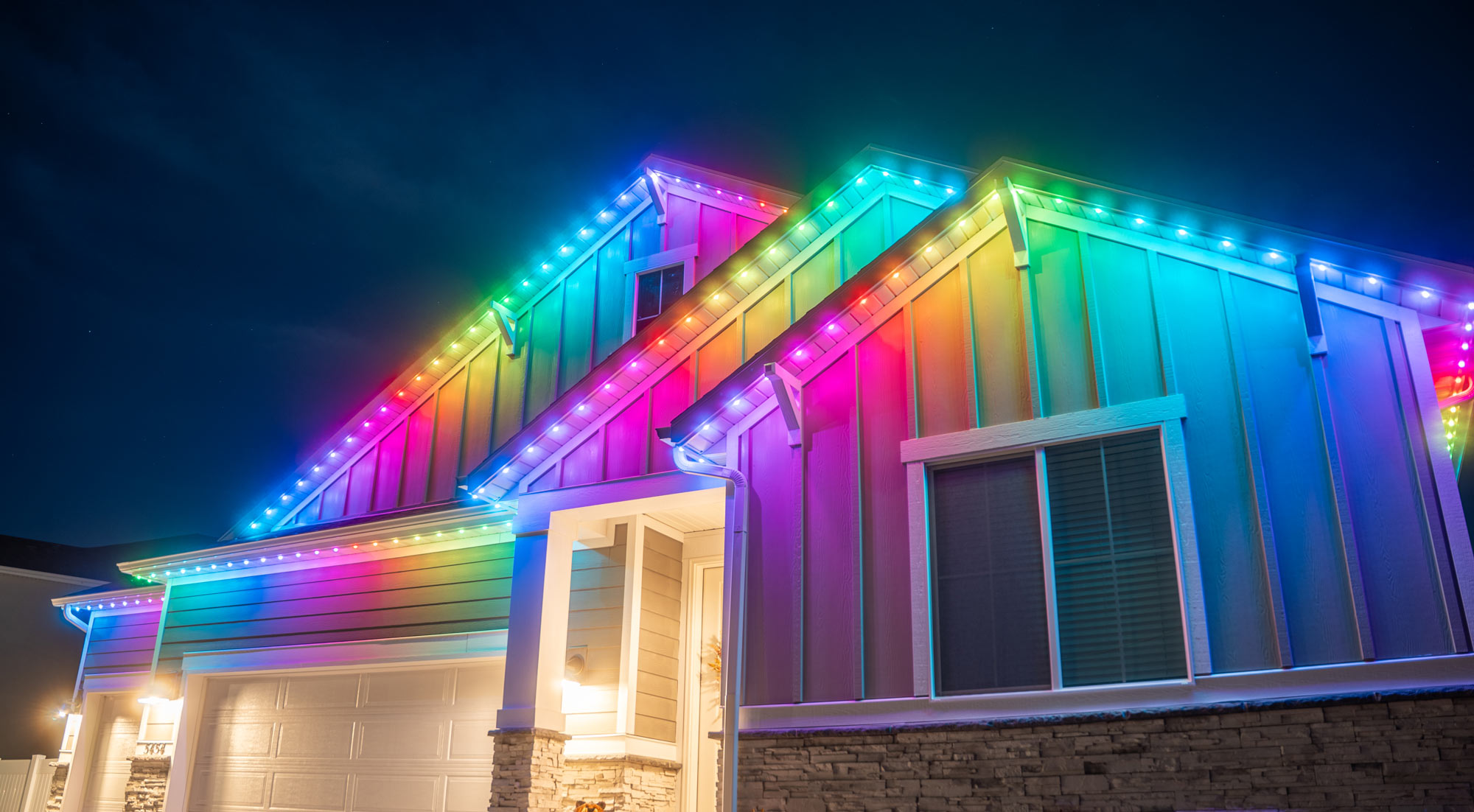
The first cold weekend of the holiday season should not begin with a ladder, a box of tangled strands, and a search for the one bulb that stopped working. RGBW outdoor permanent lights give your home the polished holiday look you want, then keep working long after the decorations come down. Set a warm white glow for an ordinary Tuesday, switch to team colors on game day, or schedule a festive scene before guests arrive – all from your phone.
This is not just Christmas lighting left up year-round. A quality permanent system is designed to disappear into the roofline during the day and deliver intentional, app-controlled illumination at night. For homeowners who care about curb appeal but are done with seasonal setup, it is a practical upgrade with a fun side.
What makes RGBW outdoor permanent lights different?
RGB lighting creates color by blending red, green, and blue. That is excellent for bold holiday scenes, school colors, and party effects. RGBW adds a dedicated white LED to the mix. The difference matters when you want your home to look warm and welcoming rather than washed in a bluish approximation of white.
A true warm-white channel gives permanent lighting a second job: everyday architectural accent lighting. It can highlight your eaves, roofline, and exterior design with a clean, classic look that fits the rest of your landscape lighting. Then, when the occasion calls for more personality, you still have billions of color combinations available.
The best systems also place the lights in a low-profile track or carefully under the soffit, trim, or flashing. During daylight hours, the installation should complement the home instead of looking like a string of seasonal bulbs waiting for December. At night, properly spaced lights create an even outline rather than scattered points of color.
 Why homeowners make the switch
The obvious benefit is ditching the ladders. No more spending a Saturday hanging lights, troubleshooting sections, taking everything down in January, and finding storage space for it all. But convenience is only part of the value.
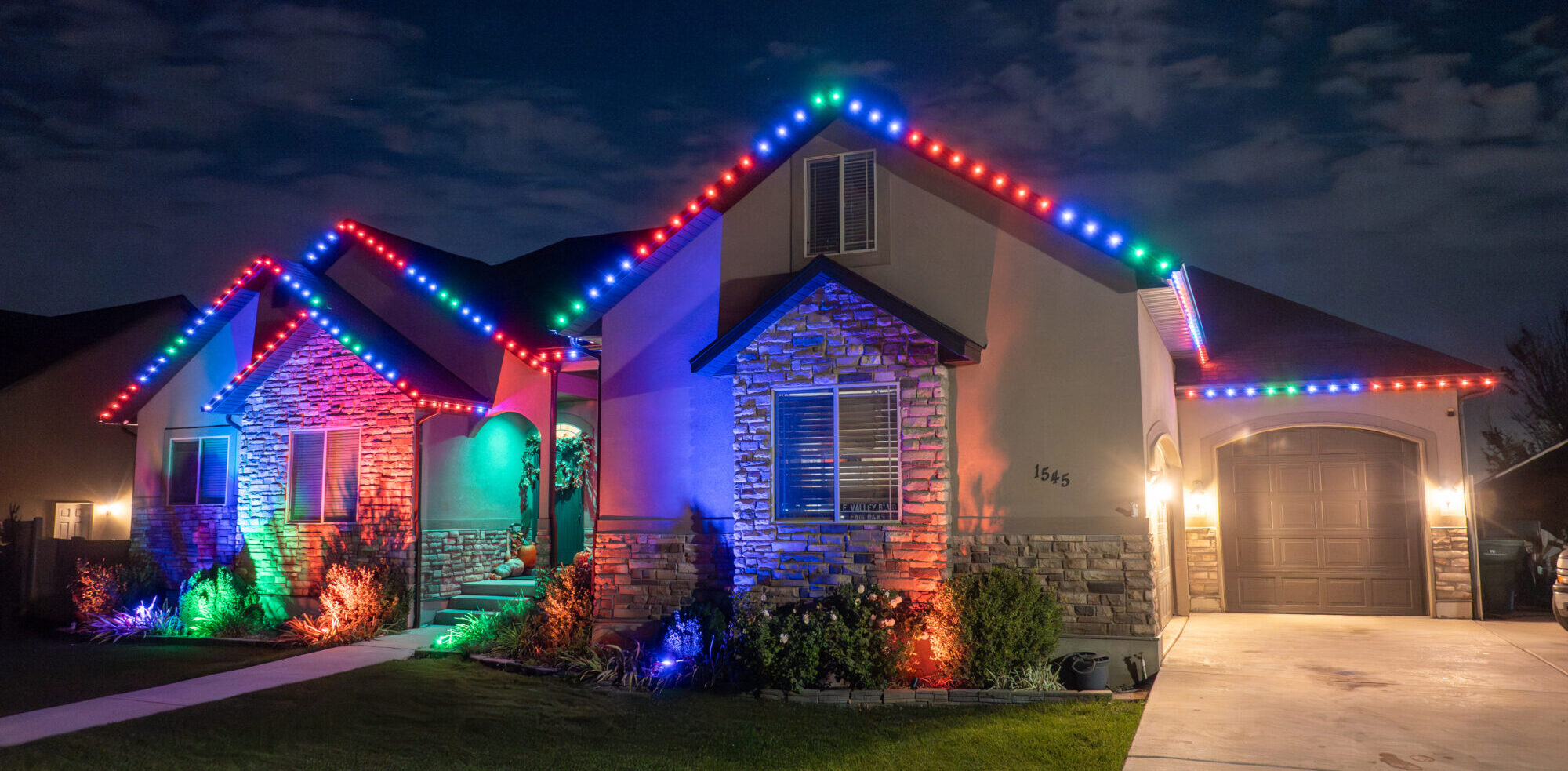
Permanent exterior lighting lets you use your home more intentionally throughout the year. A soft warm-white scene makes the front elevation feel finished. Red, white, and blue can mark summer holidays. Orange and purple work for Halloween, while a birthday, graduation, or neighborhood gathering gets its own color palette. If your family follows a local team, game-day colors can be waiting before kickoff.
Scheduling adds another layer of zero-fuss control. Instead of remembering to turn lights on and off, you can set them around sunset, choose specific days, or create a scene for a special event. Remote app access is helpful when you are traveling, too. A lit exterior can make a home look occupied while letting you adjust the mood without being there.
There is also a security benefit, with a caveat. Roofline lighting improves visibility around the home and can discourage a completely dark exterior, but it is not a replacement for motion-activated fixtures, cameras, or a well-planned security system. Think of it as an attractive layer of exterior illumination, not your only security measure.
Choosing the right permanent lighting system
Not every product labeled permanent lighting delivers the same daytime appearance, white-light quality, or long-term reliability. Before comparing price tags, look at how the system will perform on your specific home.
Start with daytime discretion
Your roofline has to look good at noon as well as at night. Ask how the track mounts, where wiring is routed, and whether the lights sit under the soffit or along the fascia. Homes with deep soffits, multiple gables, stone accents, or unusual trim may need a more customized layout than a simple ranch-style roofline.
A professional consultation can be especially worthwhile for complex elevations or homeowners who want a fully finished result. If you are hands-on and your home has accessible, straightforward rooflines, a professional-grade DIY kit can be a strong value. The right route depends on your comfort with measuring, mounting, power planning, and working safely at height.
Make sure the white is truly useful
Many color-changing lights can produce a version of white, but it may feel cool, blue, or uneven. Look for dedicated RGBW technology and ask whether the system offers a warm-white setting you would actually want to use nightly. This is the feature that turns a seasonal novelty into architectural lighting.
Brightness matters as well. More output is not automatically better. Lights that are too intense can create glare, overpower a smaller facade, or bother neighbors. A well-designed system gives you enough brightness for a visible, crisp roofline while allowing dimming for a refined everyday look.
Look beyond the first season
Outdoor electronics need to handle heat, cold, rain, snow, UV exposure, and changing temperatures. Pay attention to weather-resistant construction, rated components, secure connections, and the expected LED life. A system rated for about 50,000 hours can provide years of regular use, though real-world lifespan still depends on installation quality, climate, and how the system is operated.
Warranty coverage deserves the same attention as color options. Find out what is covered, how support works, and whether replacement parts are available. Permanent lighting is a home upgrade, not a disposable holiday decoration. The company behind it should be prepared to support it accordingly.
Plan scenes you will actually use
The fun of programmable lighting is having endless options. The practical side is setting up a handful of scenes that make the system easy to enjoy. Most households get the most use from an everyday warm-white scene, a few holiday favorites, and a small collection of event colors.
Start by creating a default schedule. For example, use warm white from dusk until bedtime on select evenings. Keep the brightness lower for normal nights, then raise it for entertaining or a holiday display. This approach gives your home a polished look without turning every evening into a light show.
For holidays, choose patterns that suit your neighborhood and your home’s architecture. A simple red-and-green chase can feel festive on a traditional two-story home. A restrained palette may look better on a modern facade with clean lines. Color is personal, but the best displays still feel intentional. One or two coordinated colors often create more impact than using every setting at once.
If you share walls or live close to neighbors, aim the effect at your home, not into nearby windows. Adjust brightness and shutoff times with the same consideration you would use for outdoor speakers. Great curb appeal should be easy to live next to.
Installation decisions that affect the finished look
Even excellent lights can look uneven if the layout is rushed. Measure each run carefully, account for corners and peaks, and plan where power and controllers will sit before mounting anything. The goal is consistent spacing and clean transitions around the entire visible roofline.
Consider your electrical setup early. A nearby protected outlet may be enough for a smaller installation, while a larger home or commercial property may require more planning. Avoid treating cord routing as an afterthought. Hidden, protected wiring helps preserve the clean look that makes permanent lighting worth the investment.
Safety should decide whether DIY is the right choice. Single-story access, stable ground, comfortable roofline heights, and confidence with exterior mounting can make a DIY installation realistic. Steep roofs, tall homes, complicated fascia, and limited access are good reasons to choose professional installation. Saving money is not a win if the process creates a fall risk or leaves the exterior looking unfinished.
EverLights offers both professional installation and DIY-configurable options, so homeowners can choose the path that fits their property and comfort level without settling for basic seasonal strands.
A better way to light up the year
RGBW outdoor permanent lights earn their place on a home because they are useful when there is no holiday on the calendar. They can make arriving home feel better, give your exterior a finished look for guests, and bring color to the moments worth celebrating. The holiday setup is a bonus – one you can enjoy without hauling a ladder out of the garage again.
Before you choose a system, stand across the street from your home at dusk and picture the result you want: subtle warm-white architecture most nights, bold color when it counts, and clean rooflines every day. That vision will guide the right layout, installation path, and feature set far better than chasing the flashiest pattern.