
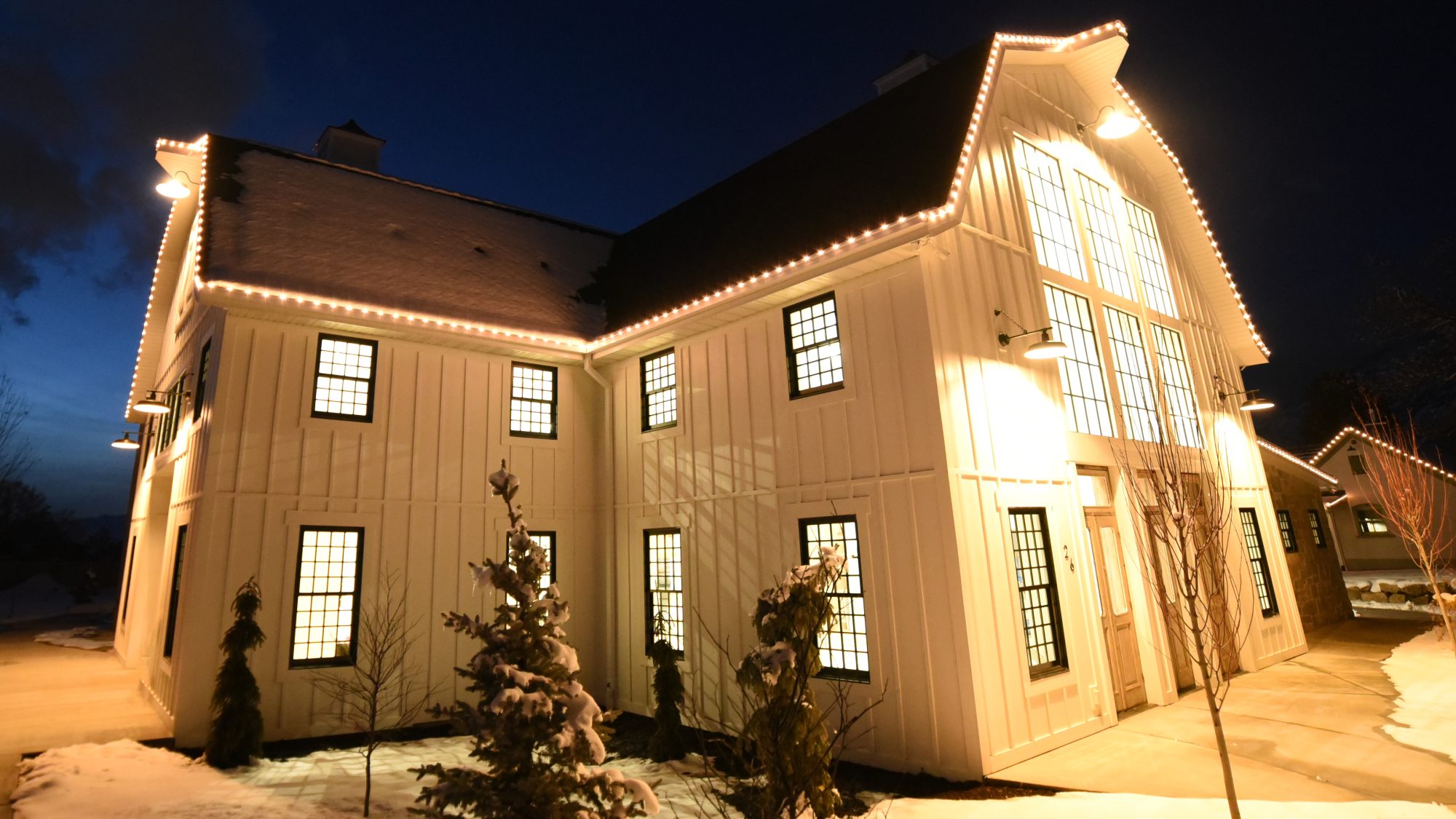
Outdoor soffit lighting is a year-round system, but most people don’t start thinking about it until October or November when they want holiday lights up. By that point, professional installers are already fully booked and DIY homeowners are working against shorter days, colder temperatures, and a hard holiday deadline. The best time to install your lighting is well before you actually need it for the holidays.
Why Waiting Until Fall Is a Problem
Professional permanent lighting installers typically fill their schedules by mid-October. Once the holiday season approaches, lead times stretch to four to eight weeks in most markets, and some installers stop taking new residential appointments entirely until the following year. If you contact an installer in November expecting lights before Thanksgiving, you will almost certainly be waiting until next season.
This applies to DIY installations as well. Working on a ladder in late fall means shorter daylight hours, colder temperatures, and the pressure of a deadline. Rushing an installation that involves electrical connections, channel mounting, and careful pixel alignment is how mistakes happen. The LEDs in a permanent system are rated for 15 to 23 years of use at typical daily run times. It deserves an installation done under reasonable conditions on a reasonable timeline.
| Installation Window | Installer Availability | Weather Conditions | First-Year Use |
| February–April | High | Mild, improving | 8–10 months |
| May–July | High | Best | 5–7 months |
| August–September | Moderate, filling | Good | 3–4 months |
| October–December | Low to none | Cold, short days | 0–2 months |
Late Winter and Early Spring (February Through April)
Early in the year is generally the strongest window for both professional and DIY installations. Professional installers have their widest availability during these months, and scheduling a date that works for you is straightforward rather than competitive. For DIY homeowners, temperatures are manageable in most regions and daylight hours are increasing week over week.
Installing in early spring means your system is operational for the entire year ahead. A system installed in March gets ten months of use before its first holiday season. A system installed in November gets one. The EverLights app allows you to program seasonal scenes and schedule automatic on and off times from day one, so there is no waiting period between installation and practical use. You can be running warm white soffit lighting the same evening the install is finished.
 Summer (May Through July)
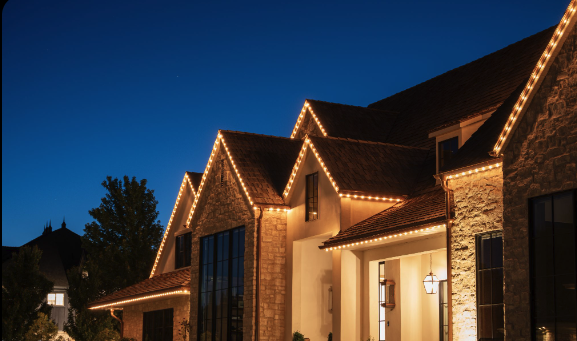
Mid year installations offer the longest working days and the most predictable weather. If your roofline involves any complexity, like multi-story sections, steep pitches, or multiple peaks and valleys, having extended daylight and dry conditions makes the job significantly safer and more manageable.
For professional installations, summer is still well ahead of the fall booking rush. You’ll have full scheduling flexibility and the work can typically be completed in a single day. This is also a good window if your home needs any electrical prep work, like adding an exterior outlet, before the soffit lighting installation itself.
Late Summer (August and September)
August and September are often the last comfortable window before demand spikes. Professional installer calendars begin filling in September, and by early October most are committed through the end of the year. If you have been considering permanent lighting and want it running for the upcoming holiday season, August or September is the latest you should be making that call.
For DIY homeowners ordering EverLights ClickLights, keep in mind that the installation itself takes one to two days depending on roofline complexity. Ordering in August or early September gives you enough time to receive the bundle, plan the layout, and complete the work before the weather turns and the calendar gets tight. Before ordering, verify that your home has exterior outlets in the right locations.
One Installation Replaces Every Future Season
The real timing advantage of permanent soffit lighting is that you do the work once and never deal with seasonal setup again. According to the U.S. Consumer Product Safety Commission, approximately 160 decorating-related injuries occur every day during the holiday season, with nearly half involving falls. The National Fire Protection Association also reports that holiday decorations and lighting are a leading contributor to residential fires during the winter months. Every November spent climbing ladders and stringing incandescent lights is another season of exposure to both risks.
With a permanent system, the lights stay mounted to the soffit year-round. All changes happen through the app and the ladder stays in the garage. The same system that runs holiday colors in December works for the rest of the year:
- Warm white for everyday accent lighting
- Red and pink for Valentine’s Day
- Red, white, and blue for the Fourth of July
- Orange and purple for Halloween
- Team colors on game day
LED technology uses significantly less energy than incandescent alternatives, so running the system continuously does not create a meaningful increase in your electricity bill. Plus, EverLights have the best and longest rated technology in the industry!
How Your Timeline Should Influence DIY vs. Professional
Your timeline may determine which installation path makes more sense. If you are reading this in late winter or early spring and comfortable with ladder work and basic tools, a DIY installation with ClickLights is realistic within a weekend or two. For a professional installation, scheduling early in the year gives you the widest selection of available dates.
If you are reading this in September or later and want soffit lights before the holidays, check professional availability in your area immediately. In the event installers are already booked out, a DIY installation may be the faster path to getting your system operational this season.
For a full comparison of what each installation method involves, including what is included, what tools are needed, and what warranty coverage looks like, see the DIY vs. professional installation guide.